
The Tennis Court That Built the Bomb
How a suburban Ohio playhouse became a secret Manhattan Project polonium factory.
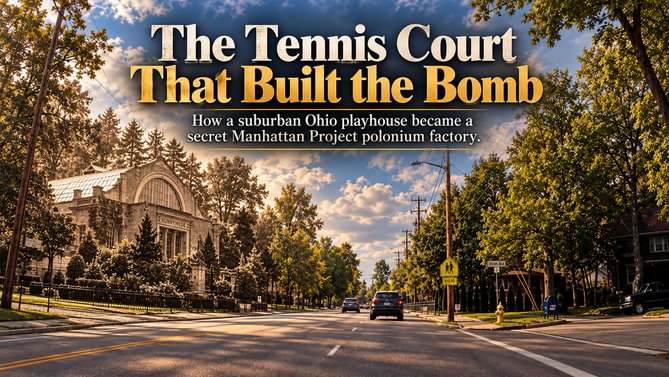
The Tennis Court That Built the Bomb
In a quiet Dayton suburb, a private indoor tennis court became one of the strangest production facilities of the Manhattan Project.
During World War II, the U.S. Army and Monsanto converted Runnymede Playhouse in Oakwood, Ohio, into Unit IV of the Dayton Project — a secret plant built to isolate and purify polonium for the neutron initiators used in the first atomic bombs.
But Runnymede was only one piece of the operation. Laboratories, warehouses, former seminary buildings, and later the Mound facility formed a network spread across Dayton, largely hidden in plain sight.
In This Episode
- Why the Manhattan Project needed polonium — and why Dayton became the place to produce it
- How Bonebrake Theological Seminary became Unit III, the project’s main research and development laboratory
- The transformation of Runnymede Playhouse from private tennis court to industrial polonium plant
- The chemists, engineers, soldiers, and technicians who made the process work
- How irradiated bismuth from Oak Ridge and later Hanford was turned into bomb-grade polonium
- The health-physics problem of working with one of the most dangerous radioactive materials in existence
- The mysterious “Dr. N.” and the worker whose urine samples revealed extraordinary polonium contamination
- How Dayton’s polonium reached Los Alamos and became part of the initiators used in Trinity, Hiroshima, and Nagasaki
- The dismantling of Unit IV, the cleanup of the Dayton sites, and what remains today
Today, Runnymede Playhouse is gone. Houses stand where the tennis court once held tanks, laboratories, and some of the most closely guarded chemistry of World War II.
But a few miles away, pieces of the Dayton Project are still standing — reminders that one of the most important parts of the atomic bomb was developed not in a remote desert, but in the middle of an ordinary Ohio city.
The Talbotts
By the time the Army took over Runnymede in 1944, the old Talbott household was already gone. Katharine Talbott, who had built the Playhouse in 1927, died in 1935, and the family’s main residence on the estate burned in 1943. So the government was not displacing Katharine from an intact family home when it converted the property into Unit IV.
The family still controlled the Playhouse property through the Talbott estate and Talbott Realty Company, and the Talbotts themselves had not disappeared from Oakwood. Several members of the extended family continued living nearby in their own homes and estates along Runnymede Road and the surrounding neighborhood.
That helps explain why the property’s wartime takeover was less a story of a family being suddenly thrown out of its home and more one of the government acquiring a surviving piece of a once-larger family estate — a piece that just happened to contain an enormous indoor tennis court perfectly suited, at least from the Army’s point of view, for conversion into a secret chemical plant.
Supplemental Location Footage
Unit IV — Runnymede Playhouse Site
Modern drive-by footage of Dixon and Runnymede, showing the exact neighborhood where the Playhouse stood. The video ends directly in front of the Playhouse / Site IV.
Dayton Project Warehouse — 601 E. Third Street
Modern footage of the surviving warehouse used for equipment, environmental monitoring, and worker bioassay. 601 E. Third Street is the brown building on the right, just after the white building with the mural.
Images, Documents & Further Reading
A Map of Dayton Project Sites
A map showing the Dayton Project locations mentioned in this episode. I’ve made Runnymede yellow for easy identification.
An Overlay of the Runnymede Complex Over Modern Oakwood
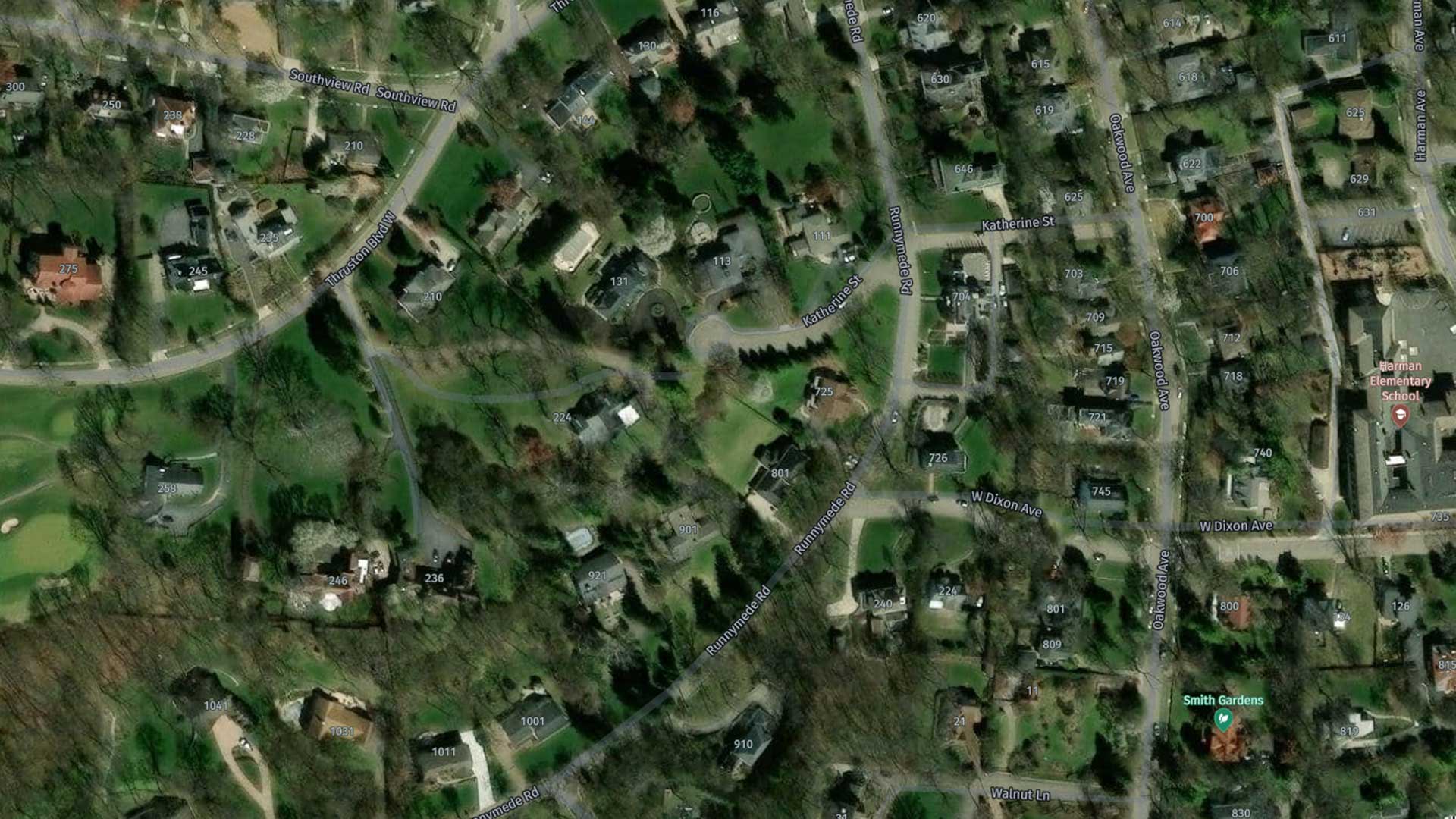
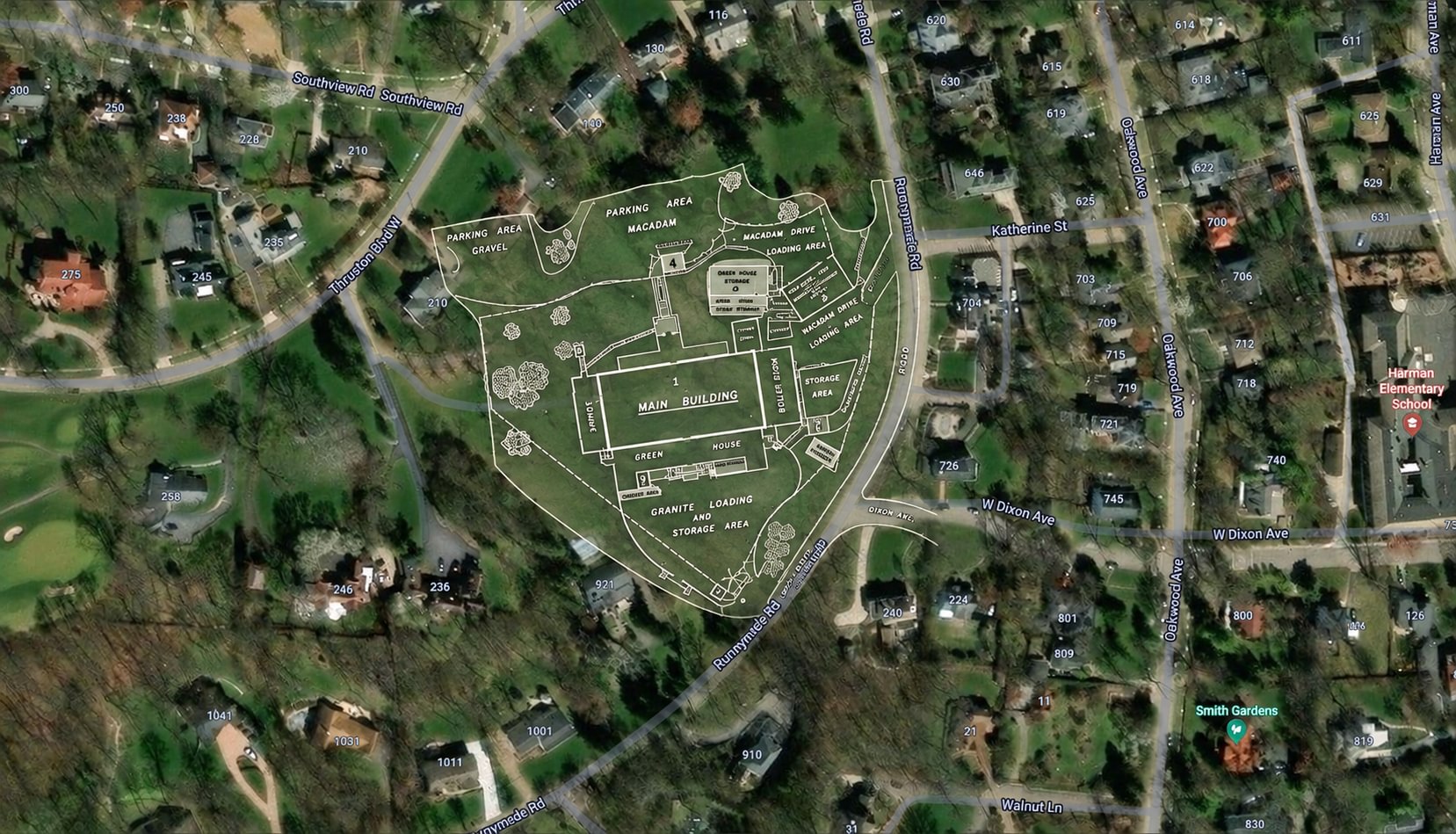
See the full size overlay
Archival Images & Site Plans
The Dayton Project left behind a surprisingly rich visual record, including
site plans of Units III and IV, photographs of the surviving Unit III complex,
and images documenting the Manhattan Project facilities that supplied and used
the polonium produced in Dayton.
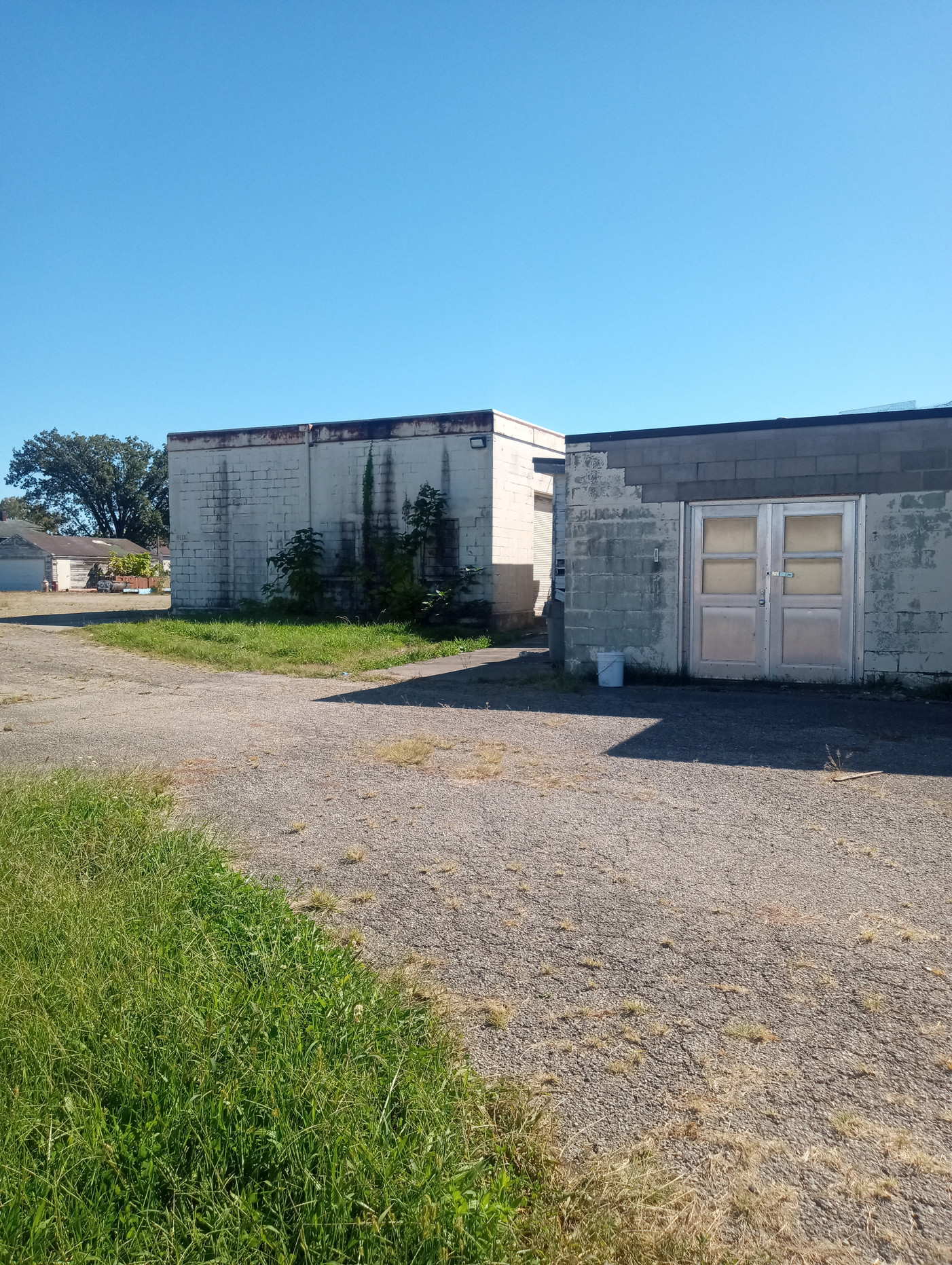
A clear modern view of one of the surviving Manhattan Project-era structures at the former Unit III complex in Dayton.Photo by Juliette Killen of Dayton/Vandalia.
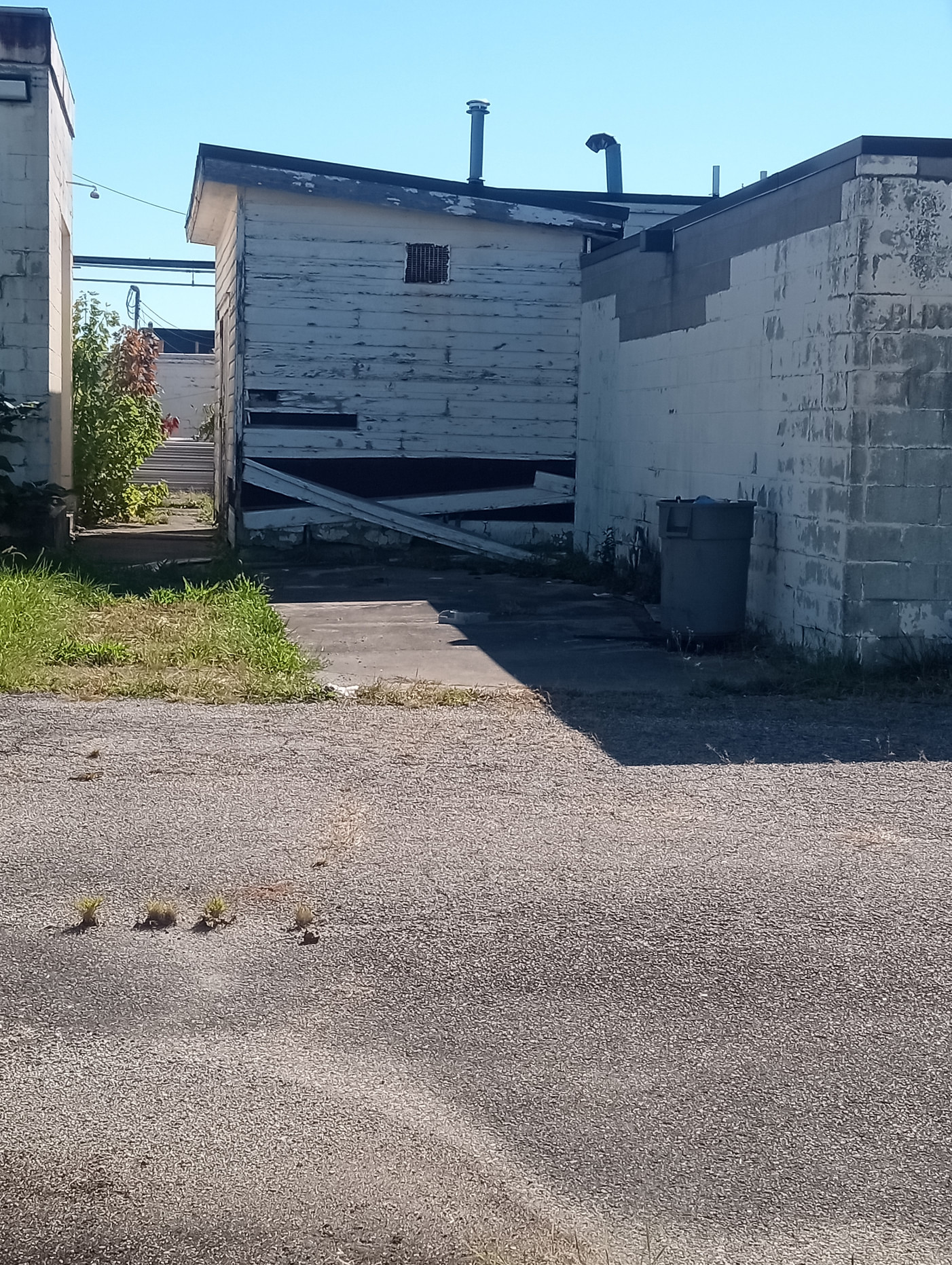
A closer view of the utilitarian side of the former Unit III complex, showing the industrial character of the surviving Manhattan Project-era buildings.Photo by Juliette Killen of Dayton/Vandalia.
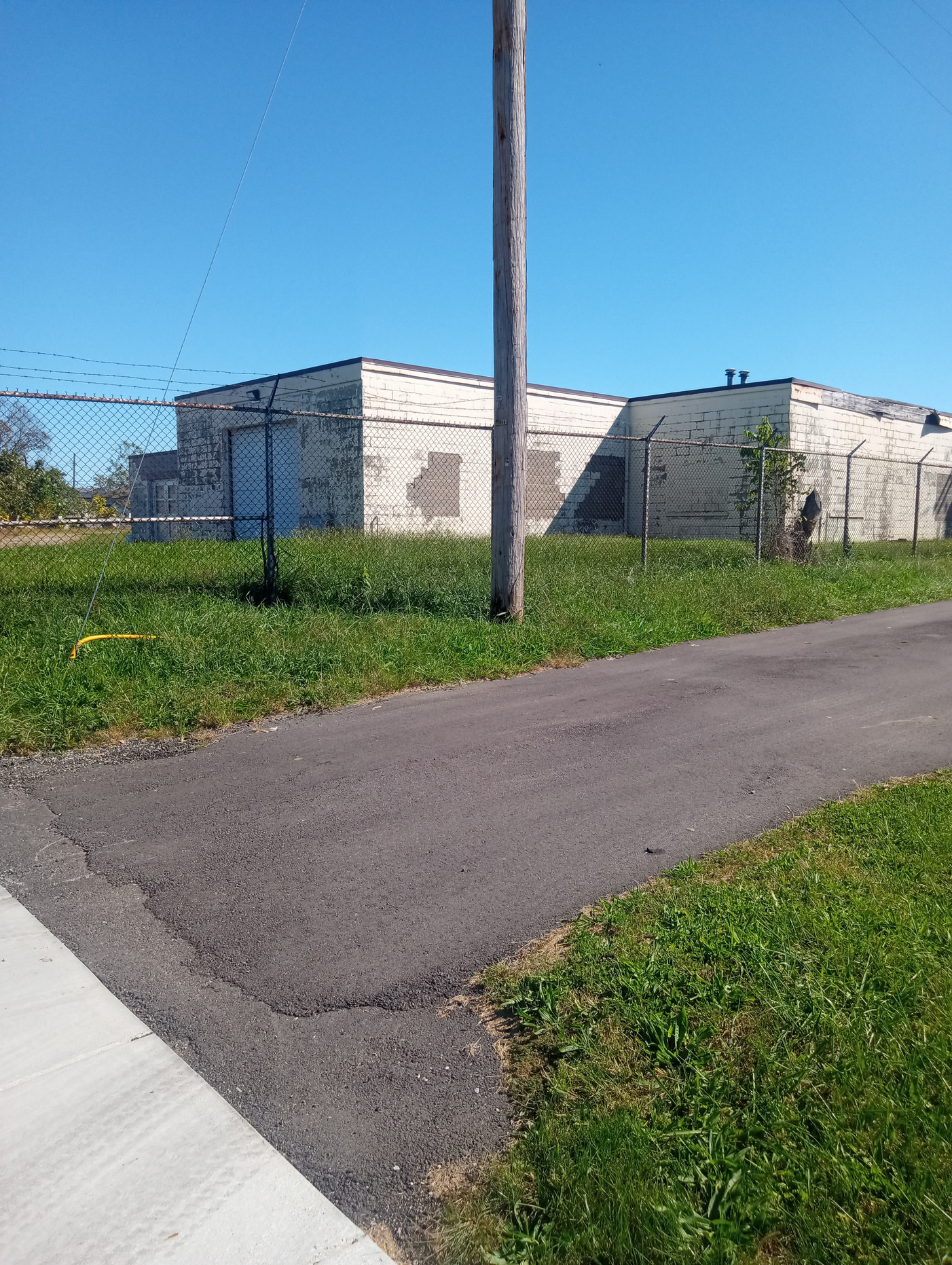
A modern architectural view of one of the concrete-block buildings that remains from the Dayton Project’s Unit III laboratory complex.Photo by Juliette Killen of Dayton/Vandalia.
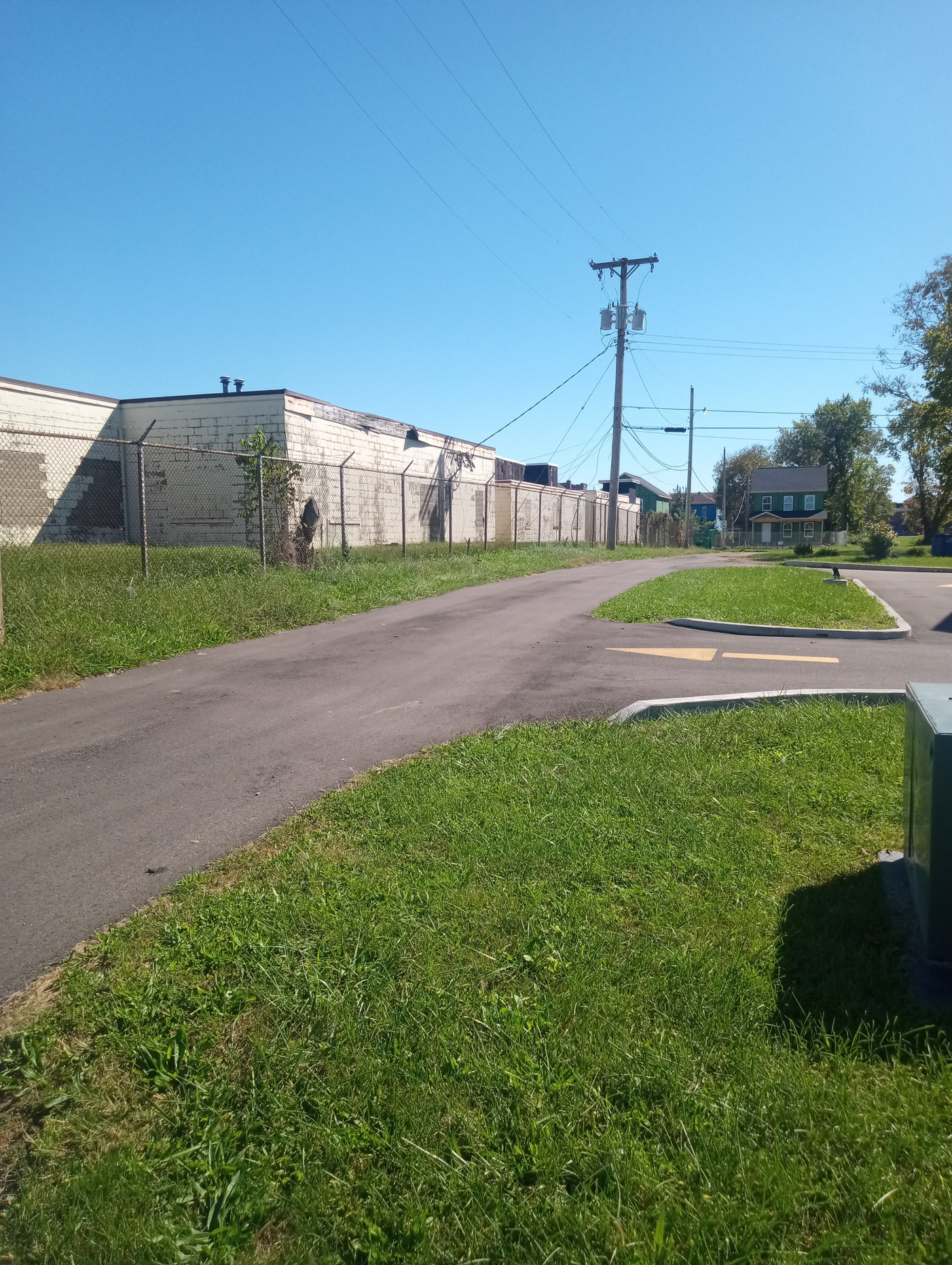
One of the strongest present-day views of the former Unit III site, showing a surviving Manhattan Project building extending behind the perimeter fence.Photo by Juliette Killen of Dayton/Vandalia.
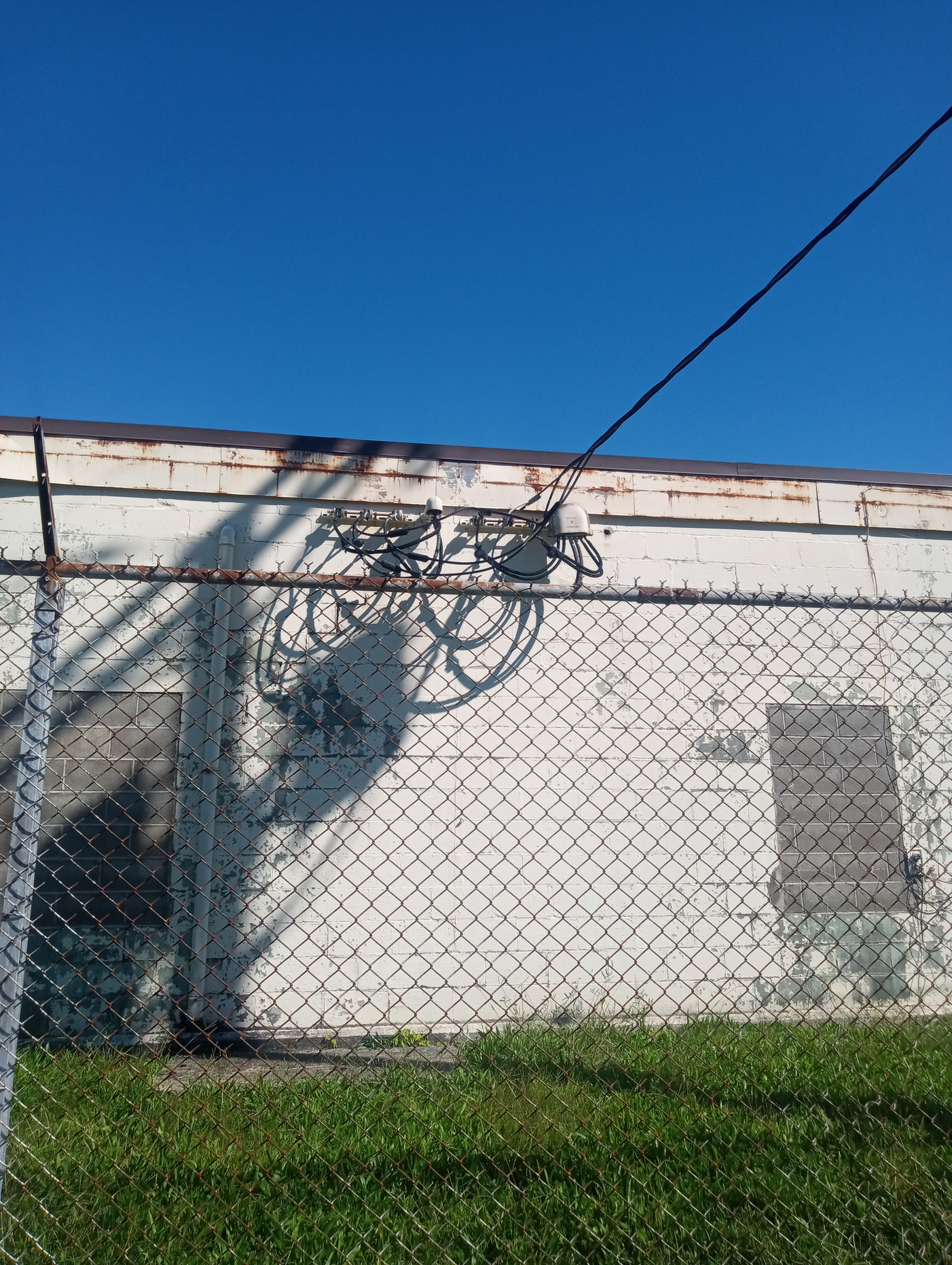
A closer look through the perimeter fence at the surviving fabric of the former Unit III complex.Photo by Juliette Killen of Dayton/Vandalia.
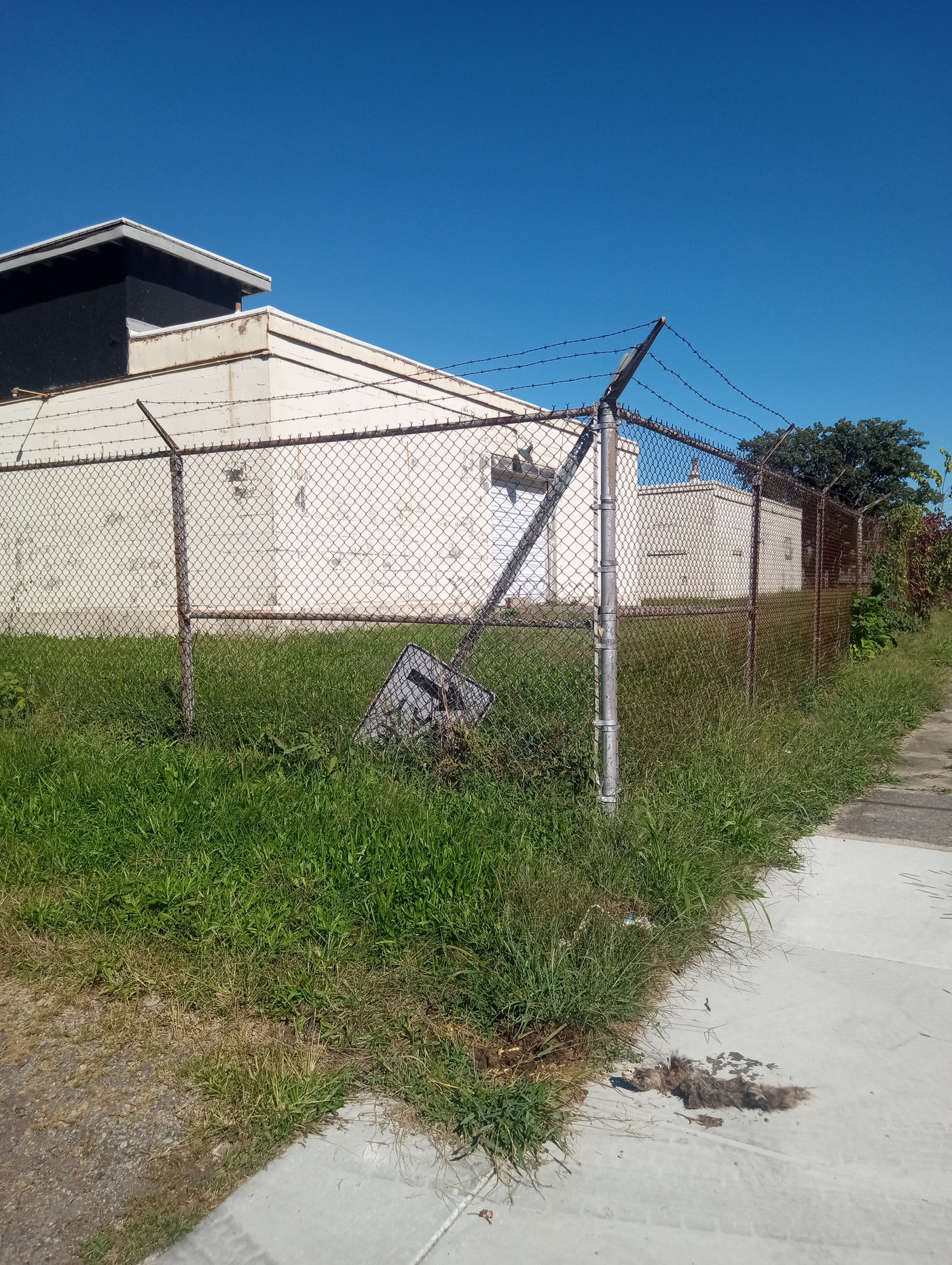
A long view along the perimeter of the former Unit III property, emphasizing the scale and continuity of the surviving wartime complex.Photo by Juliette Killen of Dayton/Vandalia.
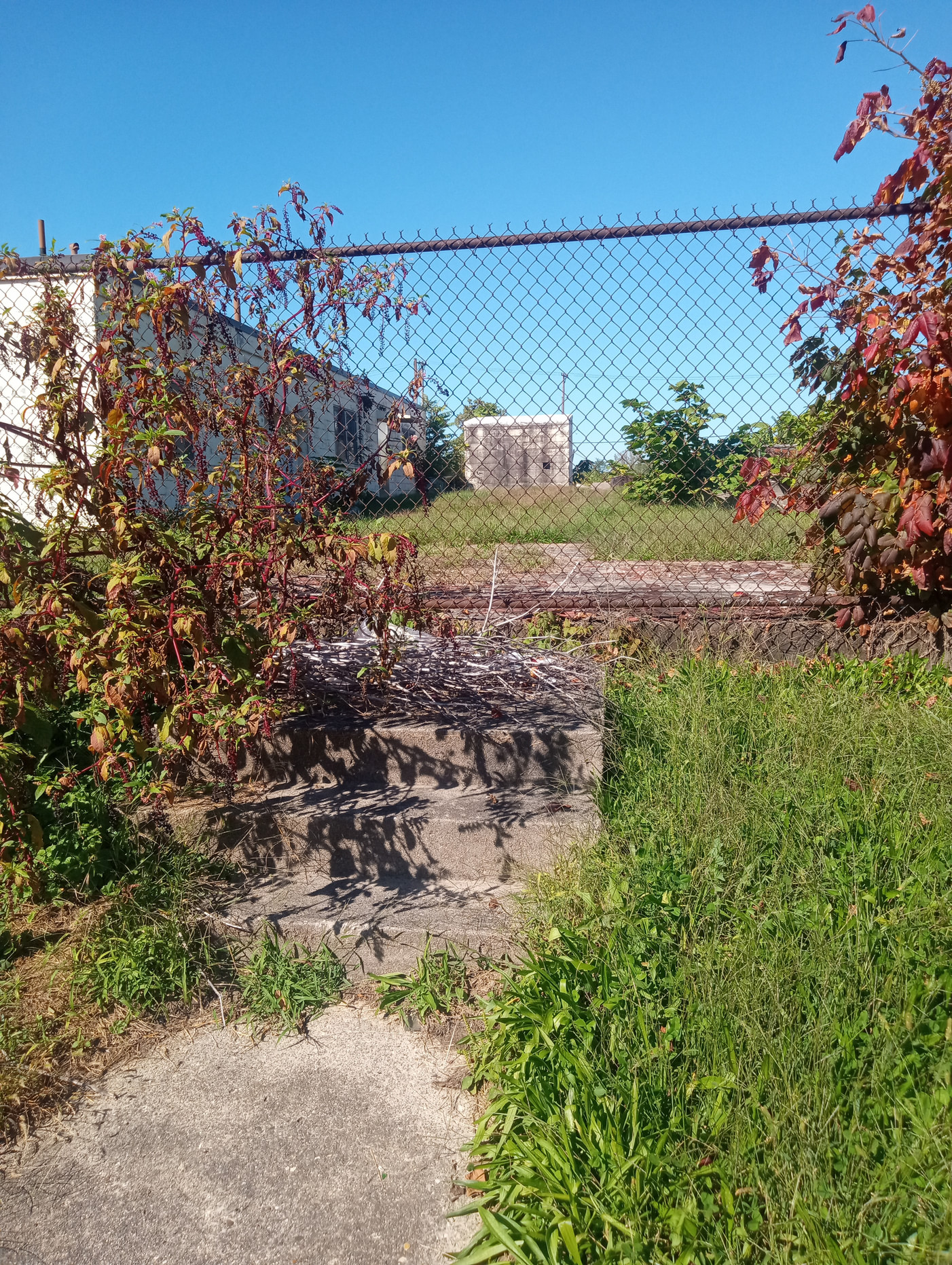
A surviving concrete remnant at the former Unit III property, evidence of structures and site features that no longer stand.Photo by Juliette Killen of Dayton/Vandalia.
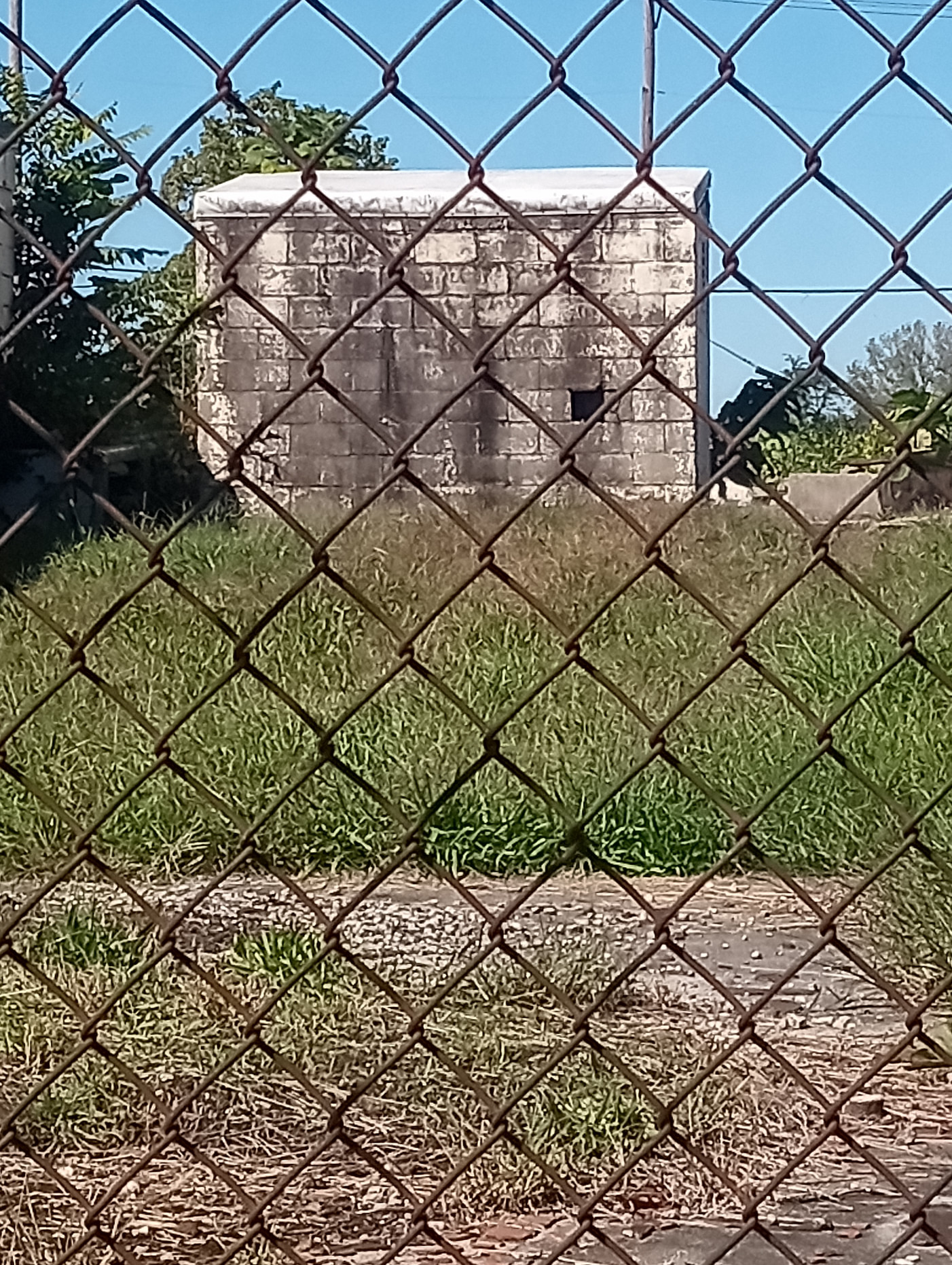
Another surviving concrete feature at the former Unit III site, marking areas where wartime facilities once occupied the property.Photo by Juliette Killen of Dayton/Vandalia.
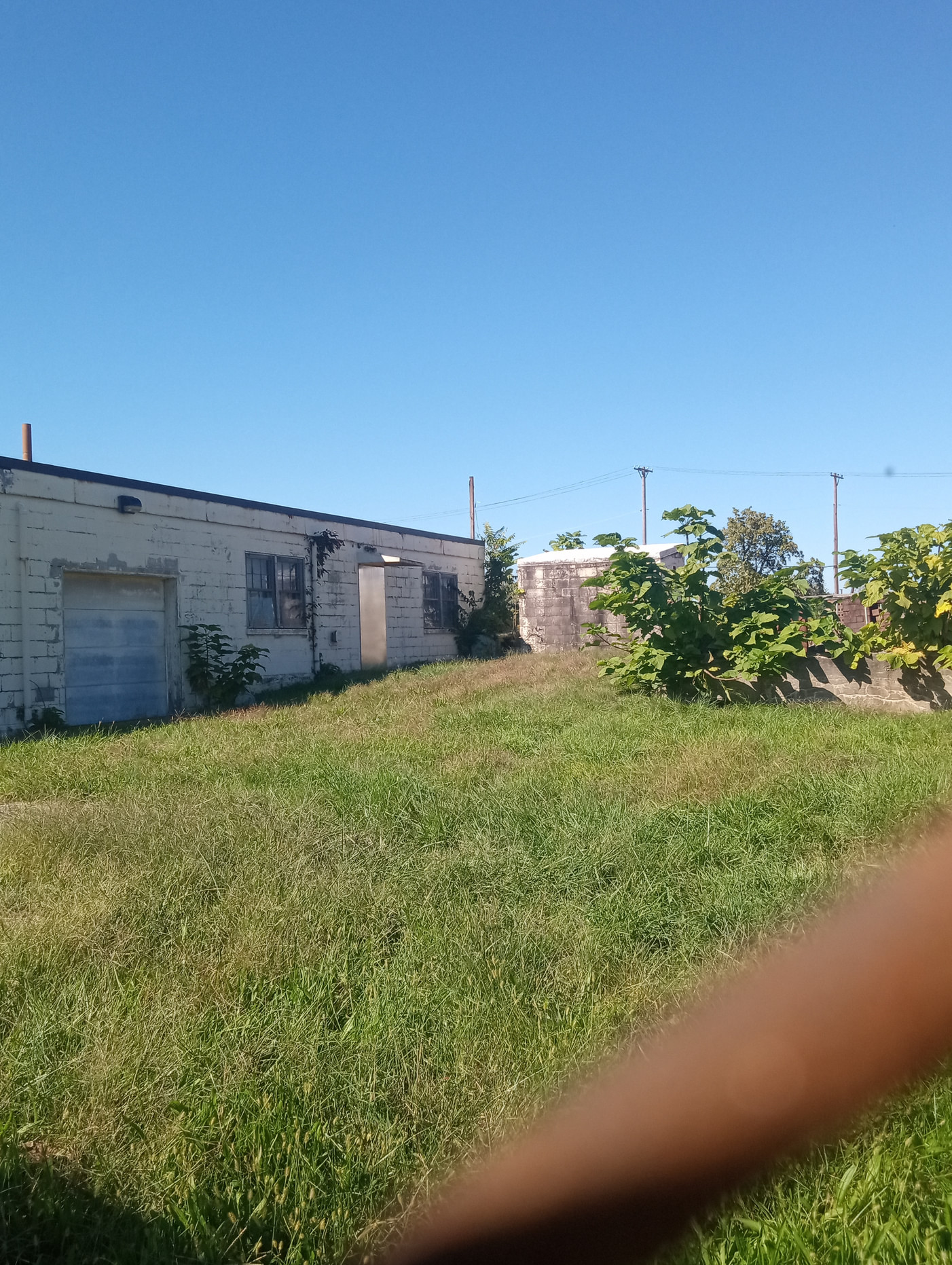
A wider view of the former Unit III property, showing how the surviving wartime buildings fit into the present-day site.Photo by Juliette Killen of Dayton/Vandalia.
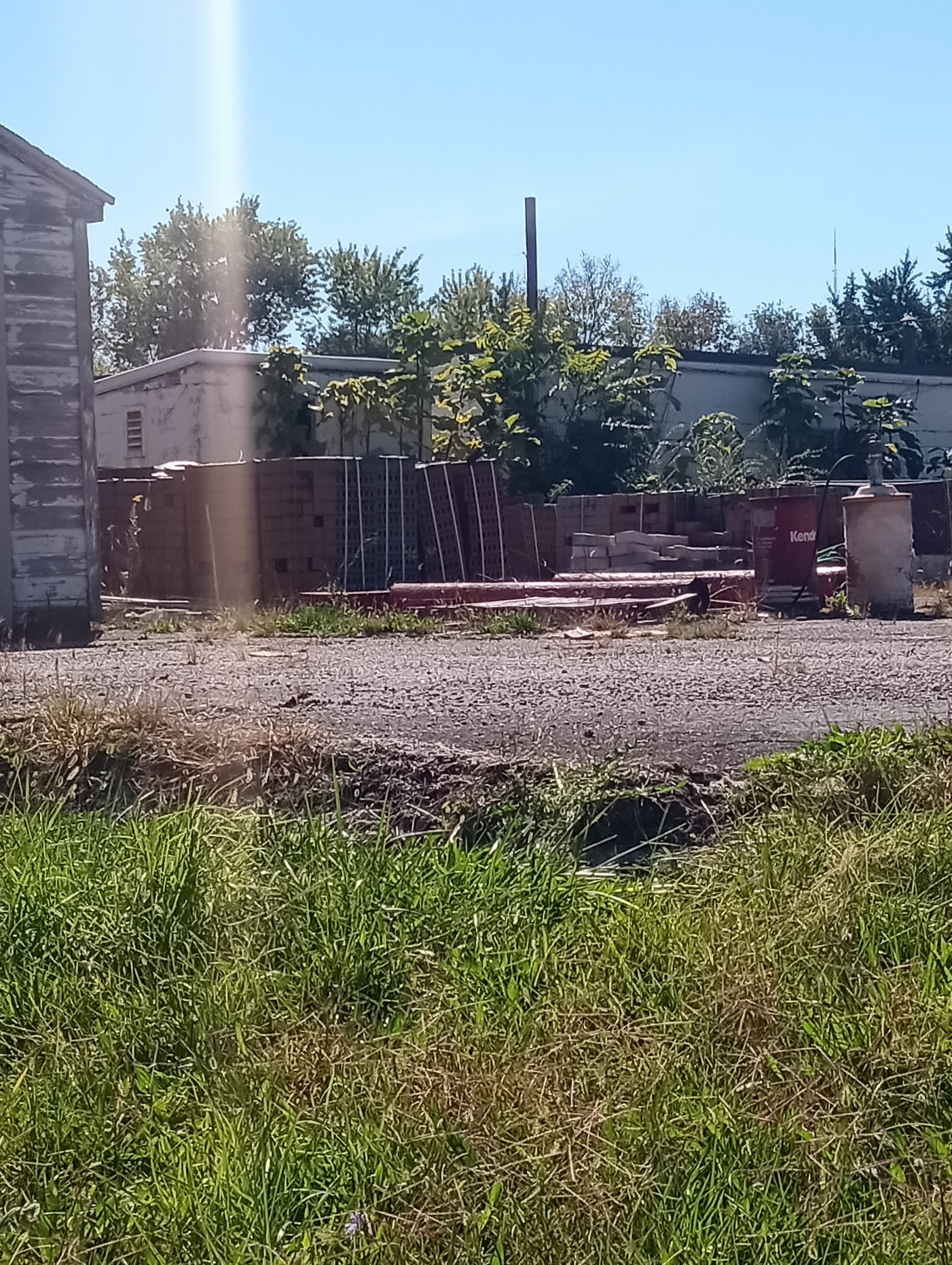
A broader view of another surviving structure within the former Unit III complex, reinforcing that the Manhattan Project operation occupied a multi-building site.Photo by Juliette Killen of Dayton/Vandalia.
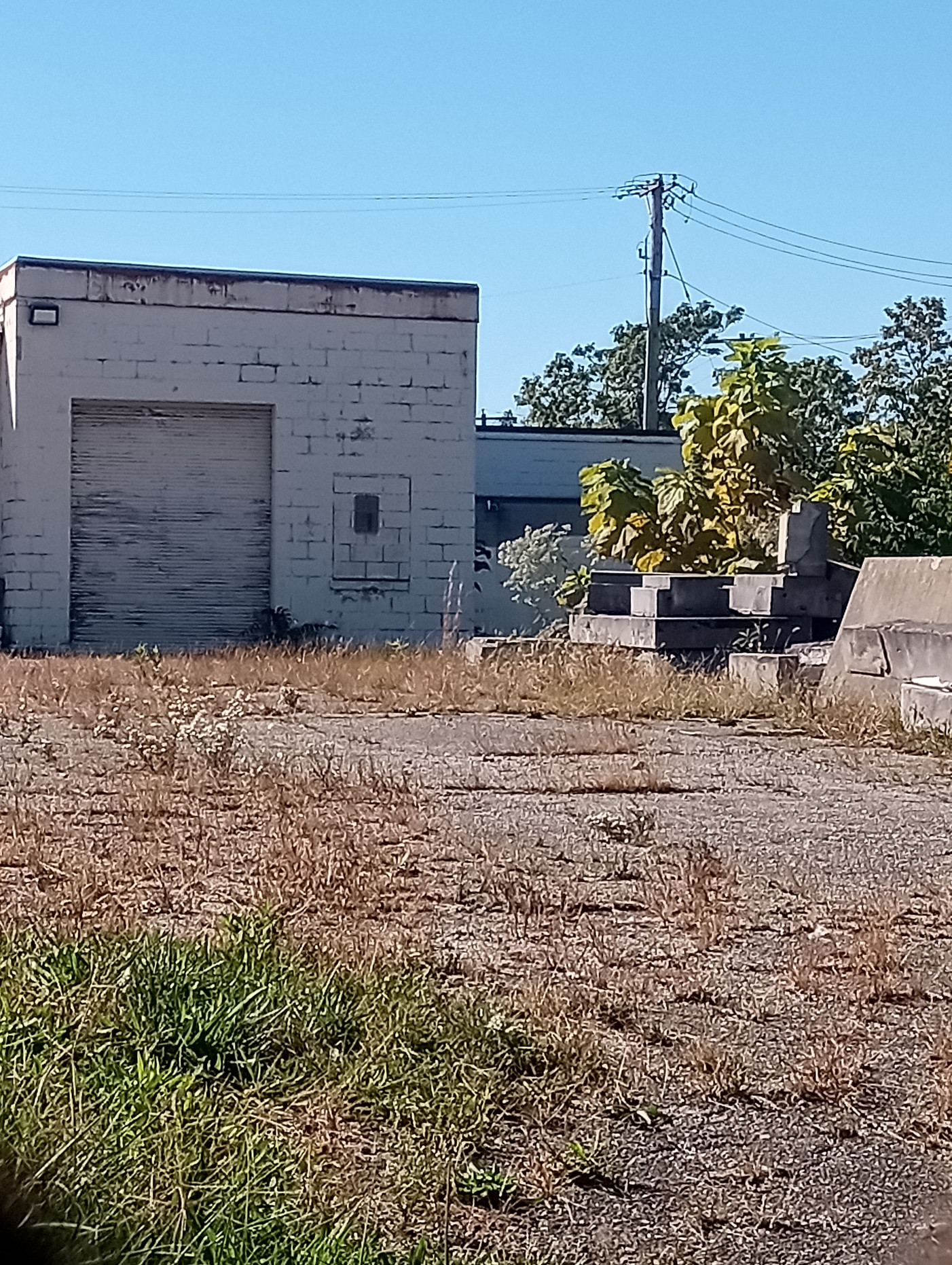
A modern exterior view highlighting the plain, functional architecture of the surviving Unit III wartime buildings.Photo by Juliette Killen of Dayton/Vandalia.
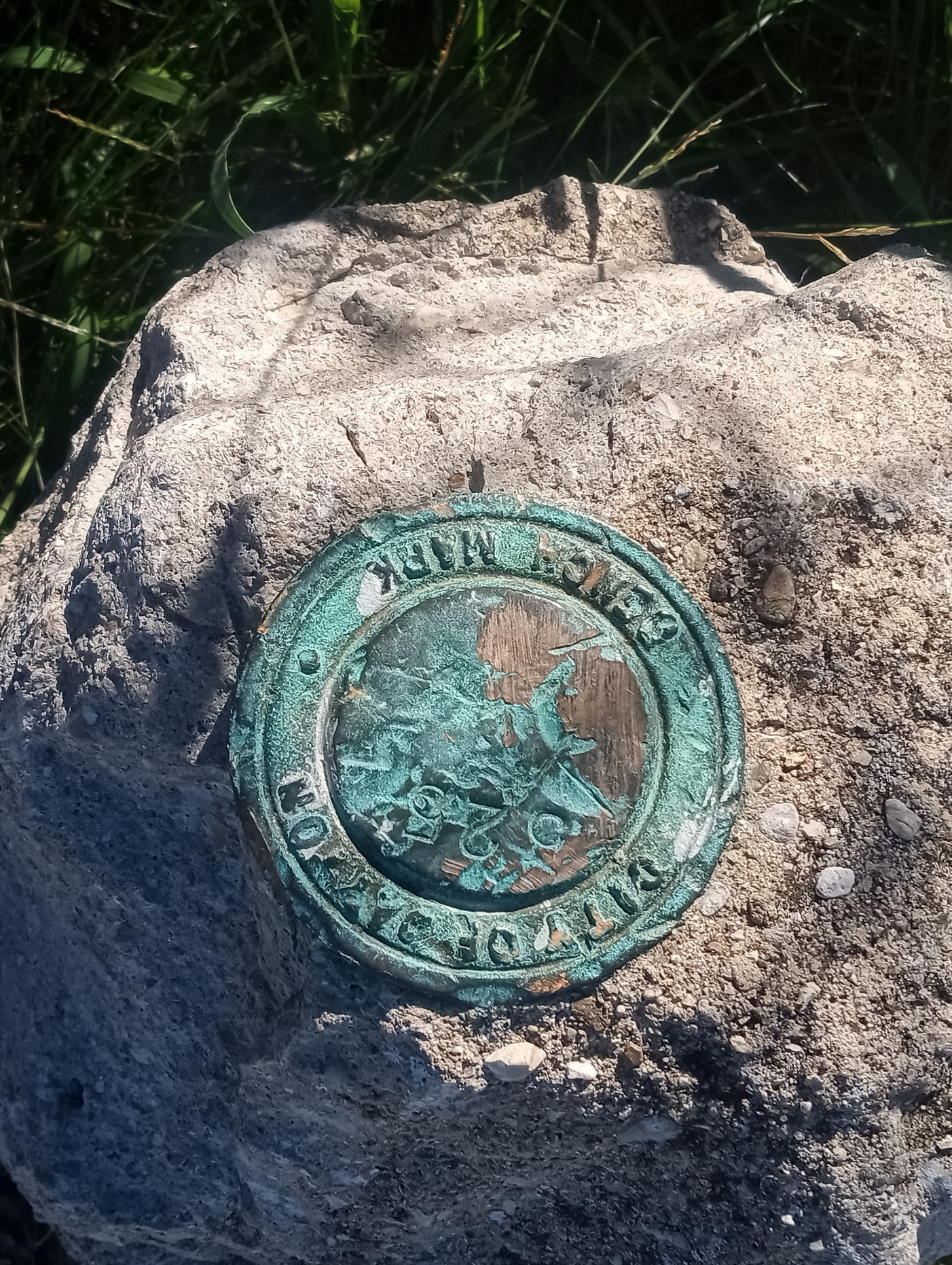
A surviving ground-level fixture at the former Unit III site. Its exact wartime function has not been established, but it remains part of the physical fabric of the property.Photo by Juliette Killen of Dayton/Vandalia.
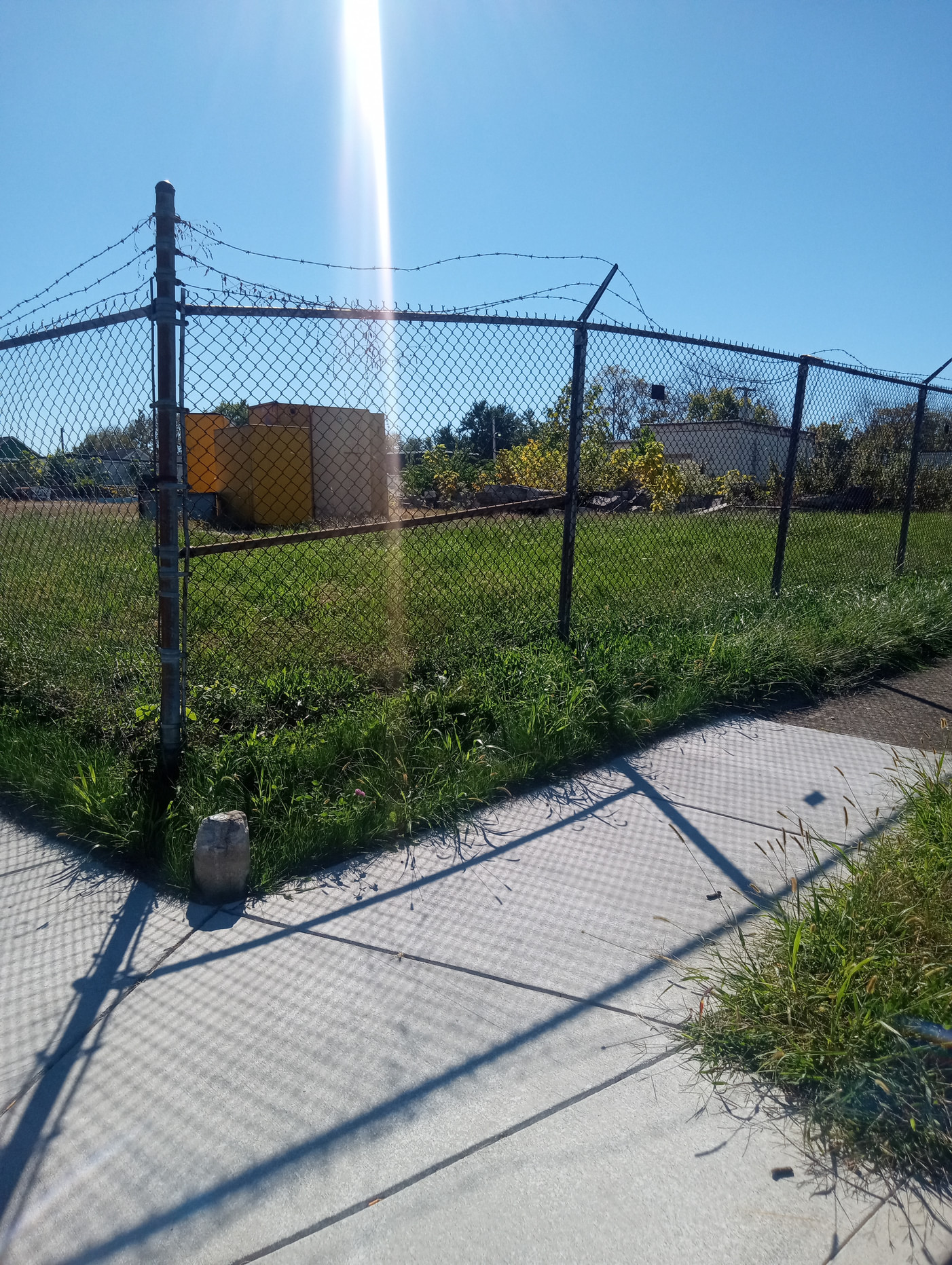
A wider present-day view of the former Unit III complex and its surviving structures from outside the property perimeter.Photo by Juliette Killen of Dayton/Vandalia.
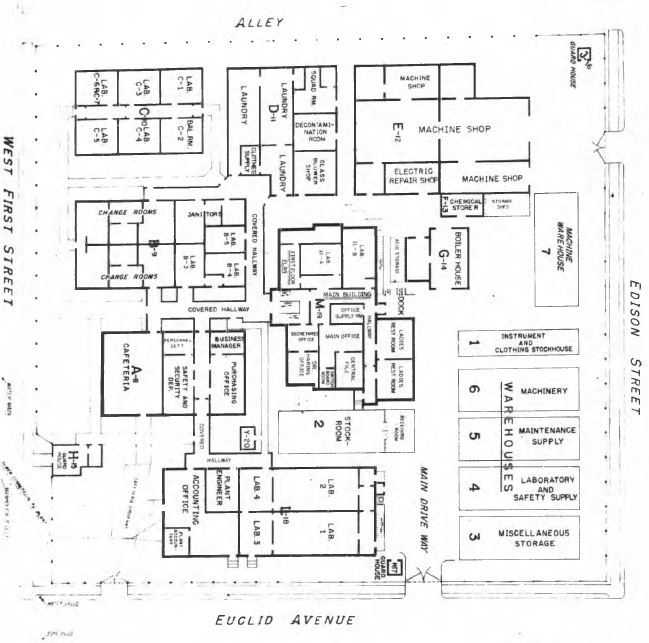
Bonebrake Theological Seminary and the surrounding Dayton Project laboratory complex.
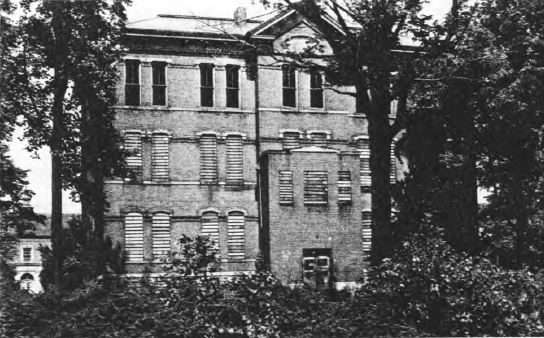
The former Bonebrake Theological Seminary near the beginning of its conversion into a secret Manhattan Project laboratory.
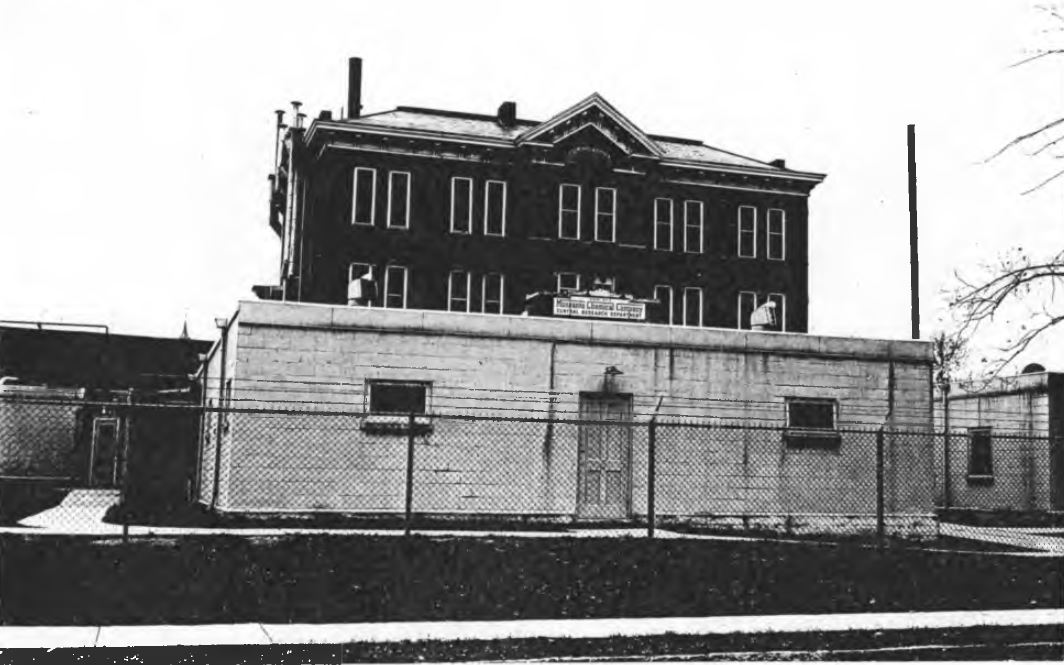
The expanded laboratory complex after several years of wartime and early postwar work.
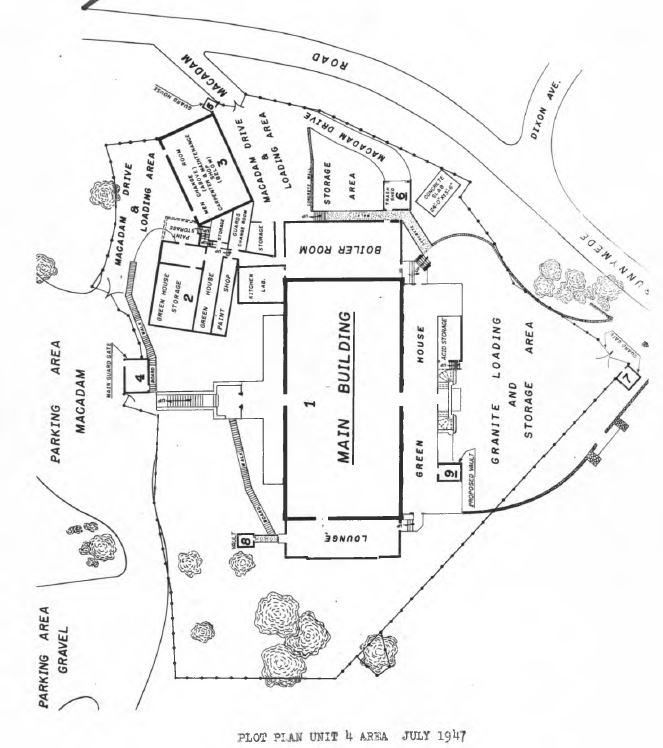
The Oakwood estate transformed into the Dayton Project’s principal wartime polonium-production facility.
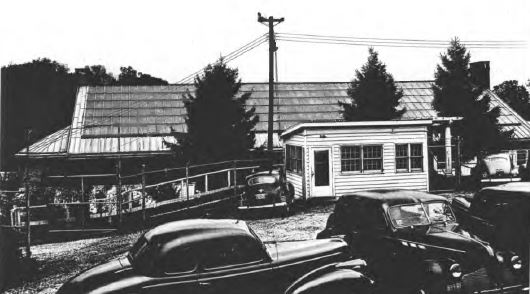
Runnymede Playhouse after its conversion from private recreation facility to polonium-processing plant.
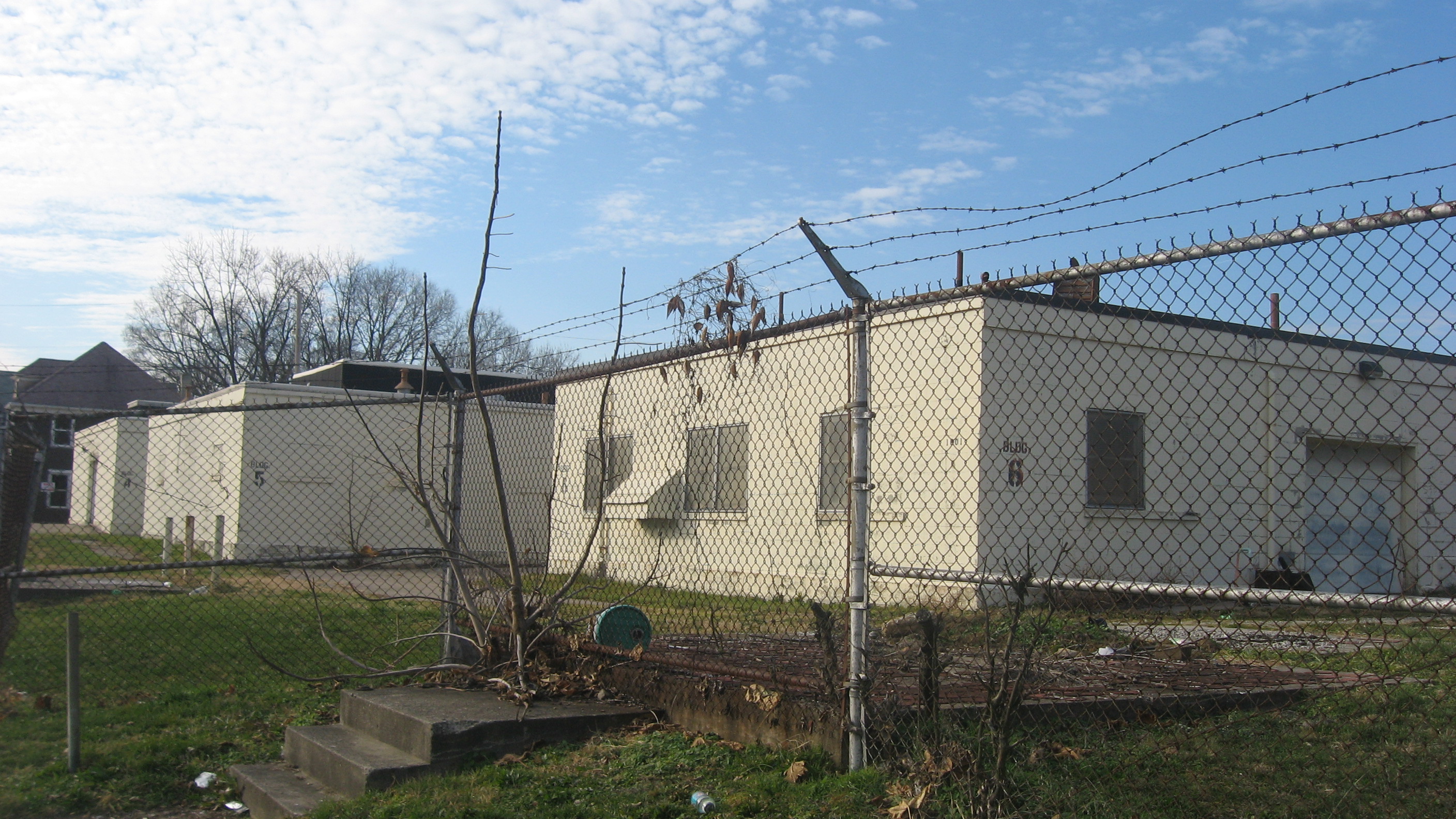
Several of the concrete-block Manhattan Project buildings remain at the former Unit III site.
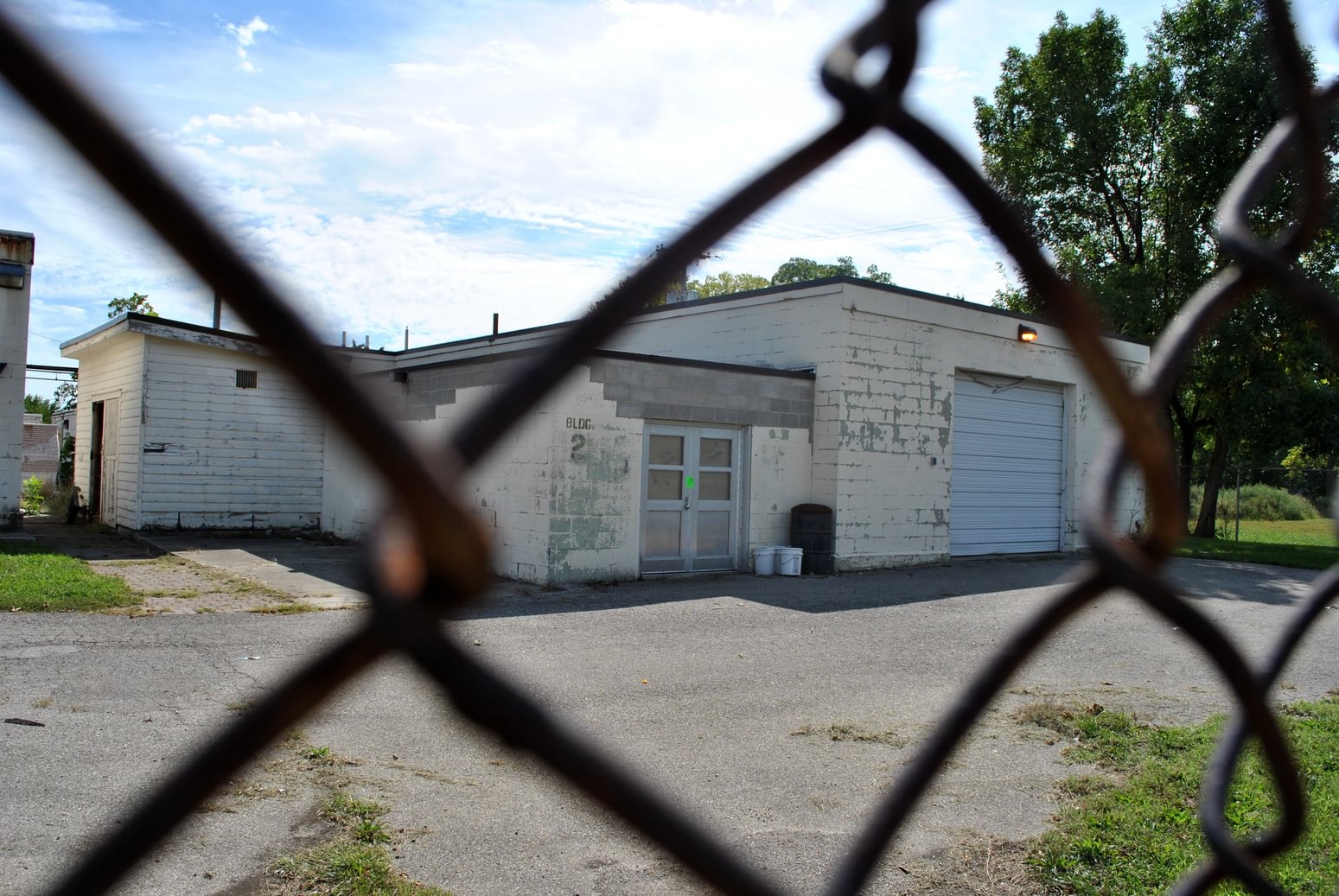
A modern view of the surviving portion of the former secret laboratory complex.
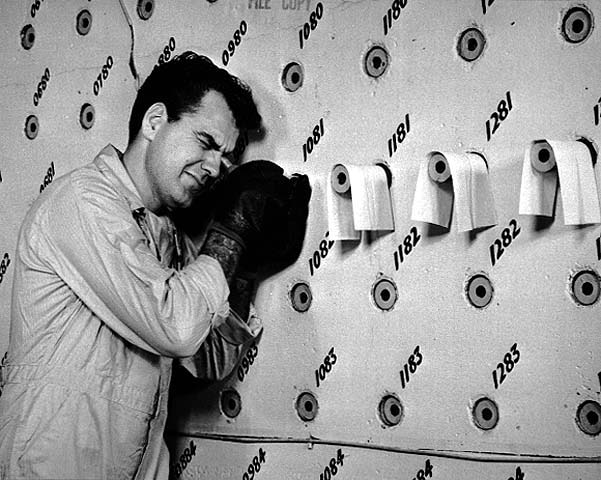
Oak Ridge’s X-10 reactor irradiated bismuth for the Dayton Project during the early reactor-production phase.
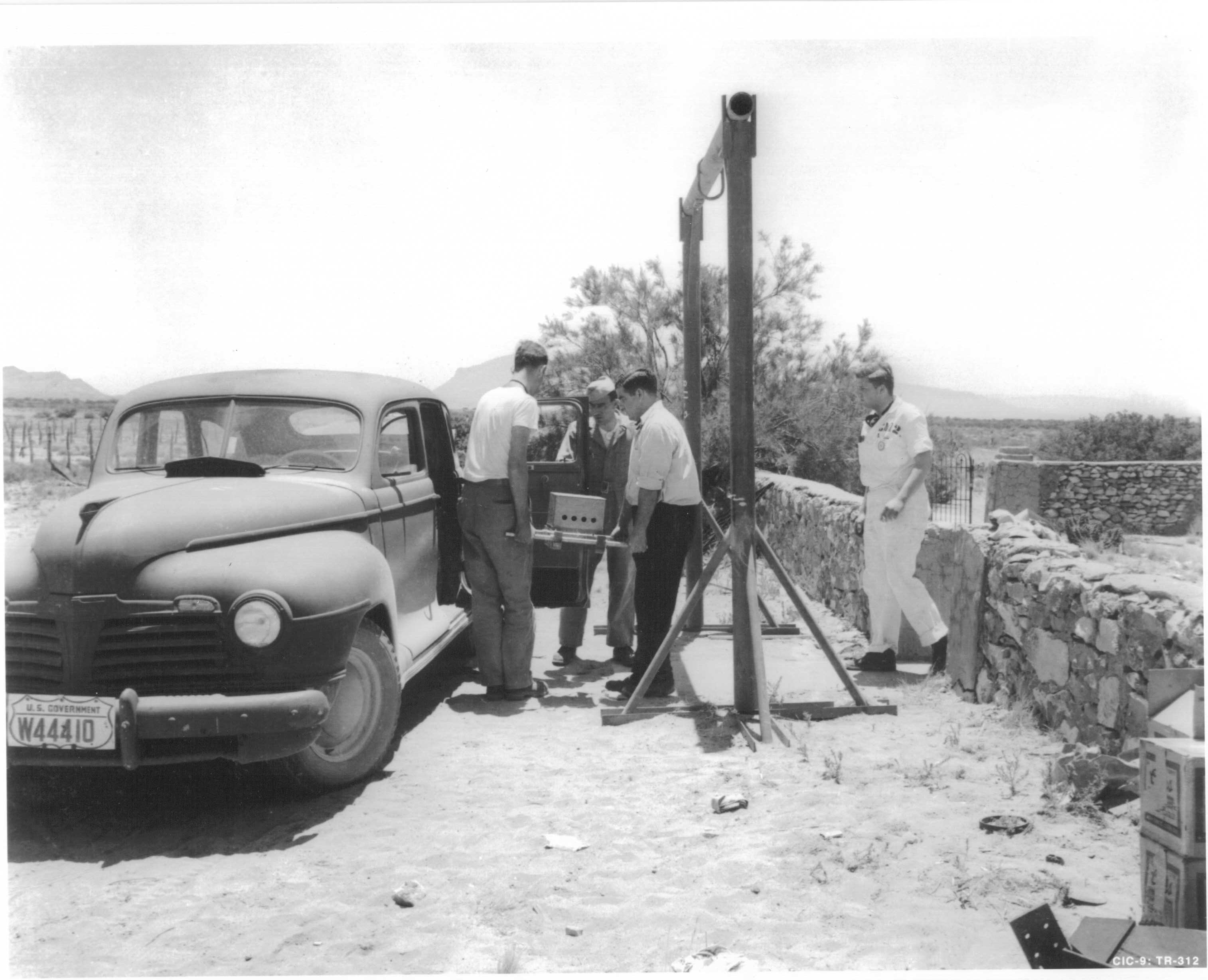
Herbert Lehr and Harry Daghlian transport the tamper plug containing the plutonium core and neutron initiator toward the Trinity tower.
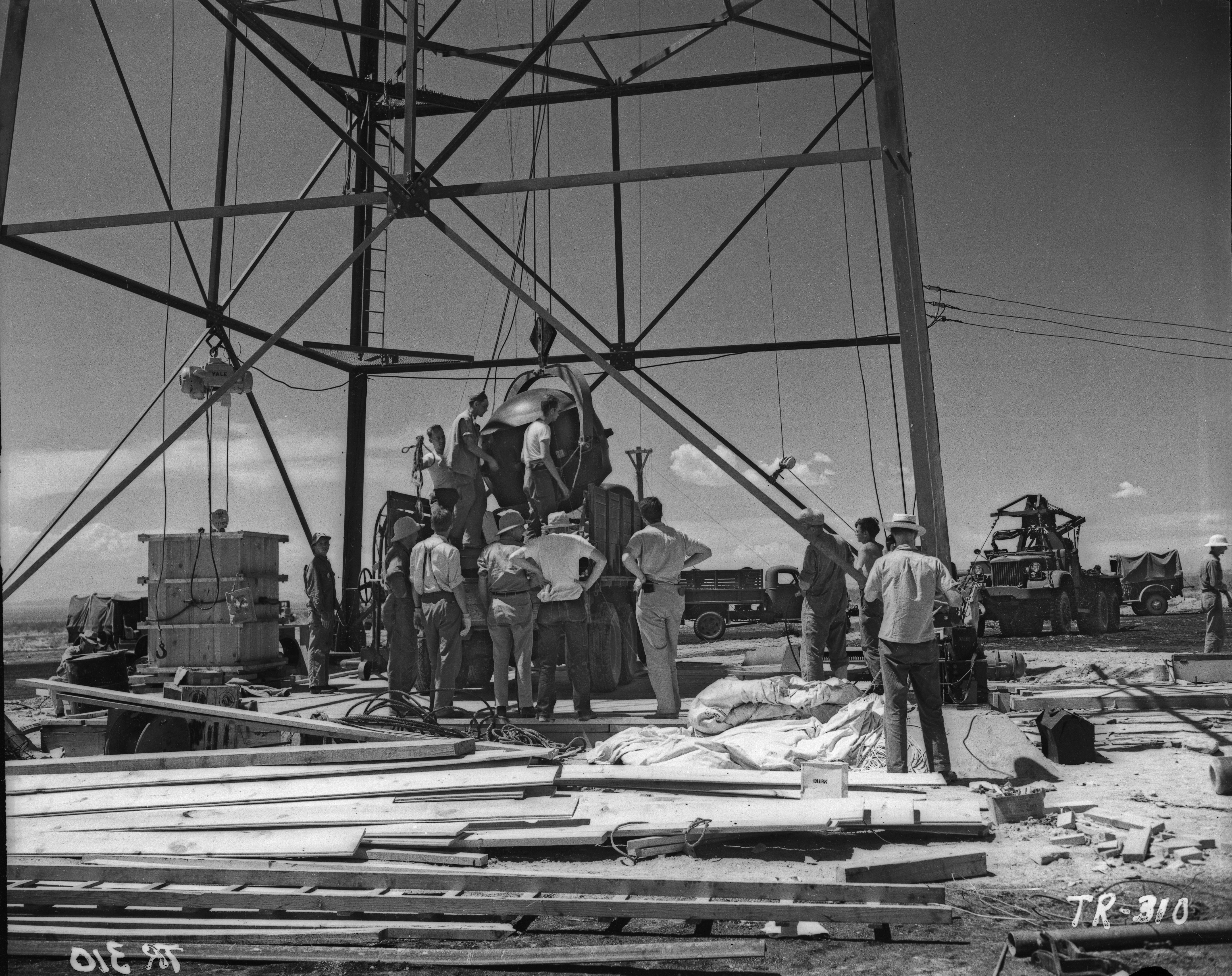
The implosion device prepared for the world’s first nuclear explosion on July 16, 1945.
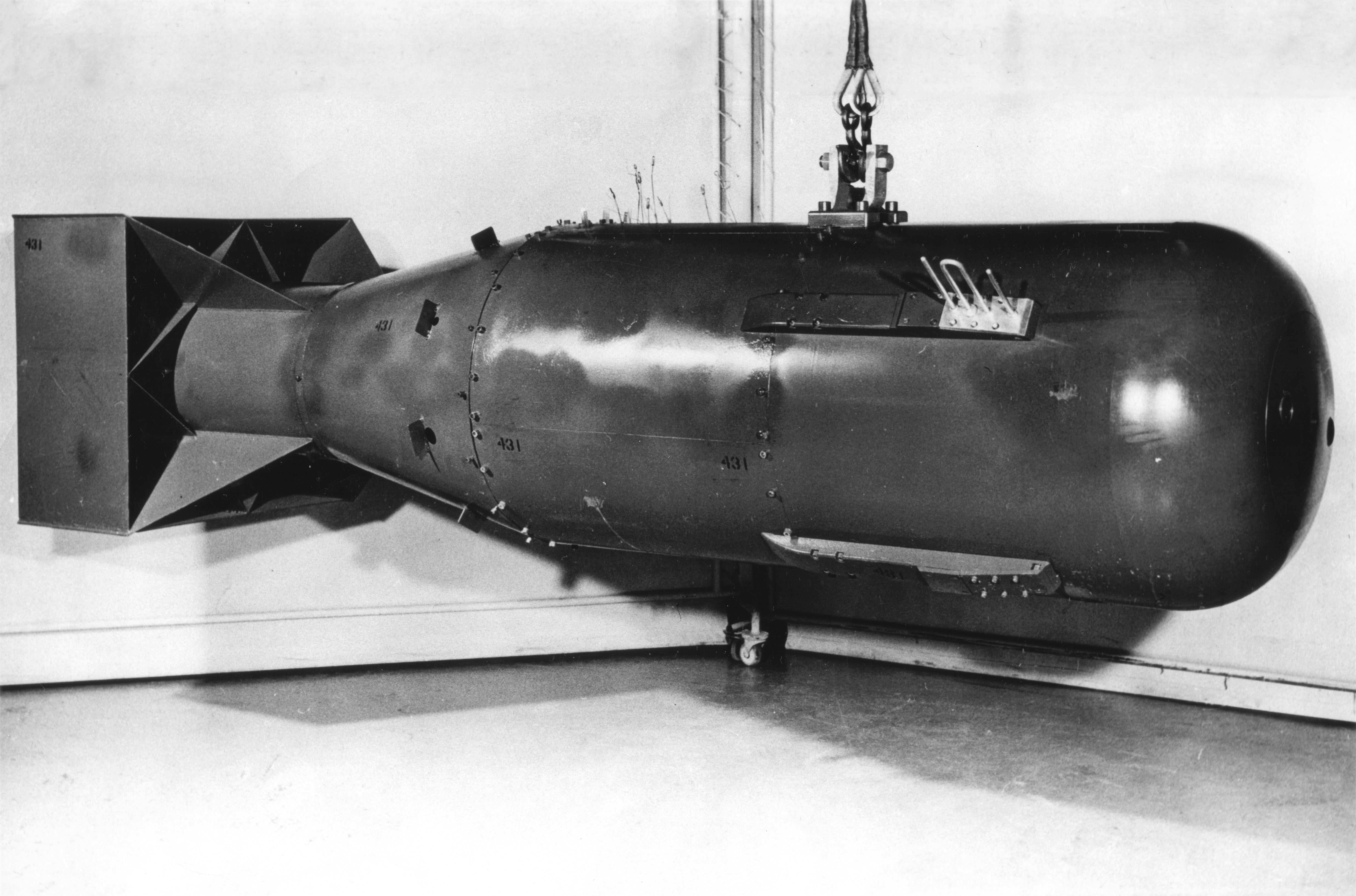
A postwar Little Boy-type casing photographed by the Atomic Energy Commission. This is not the weapon dropped on Hiroshima.
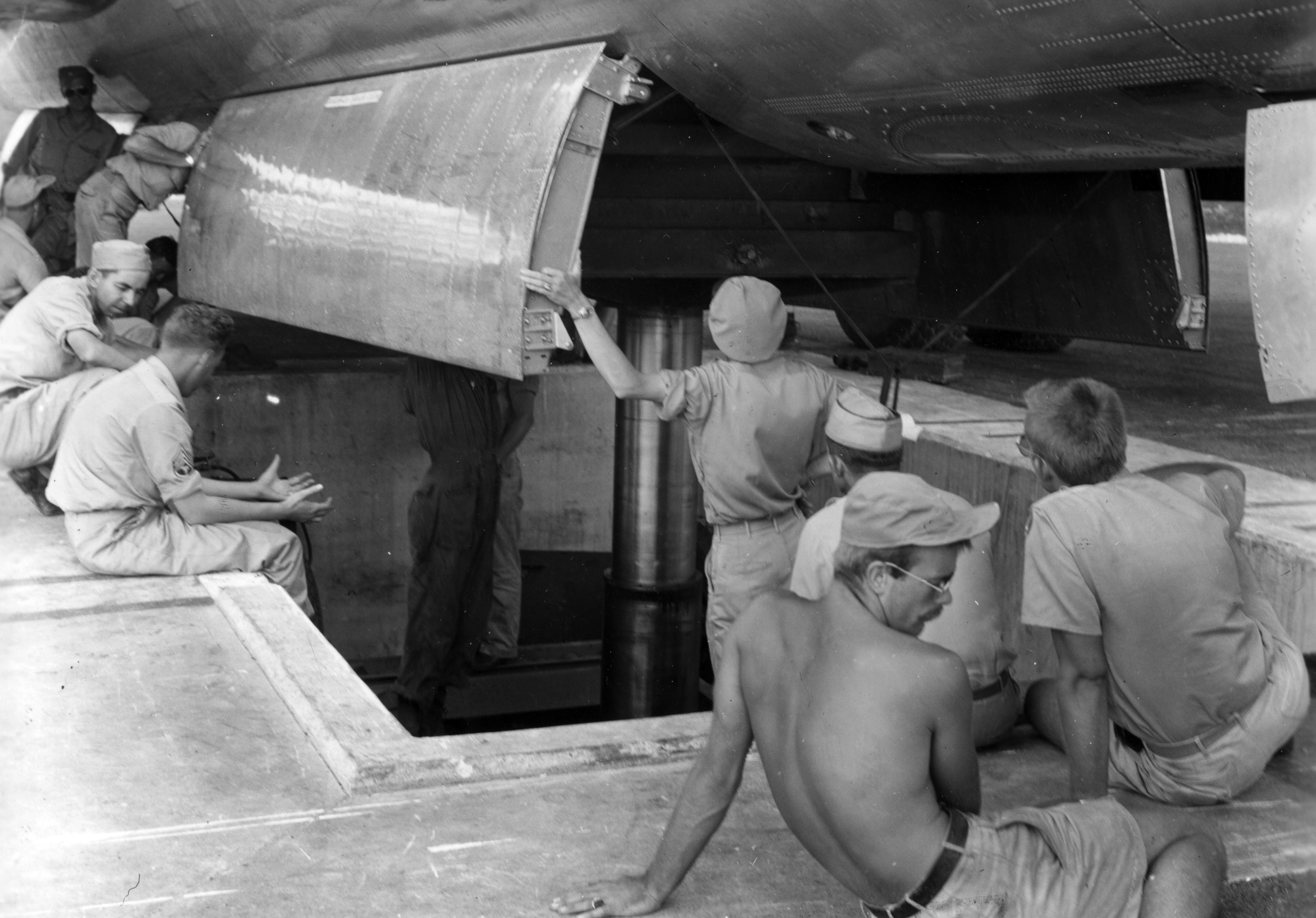
The Hiroshima weapon being loaded into its B-29 shortly before the mission.
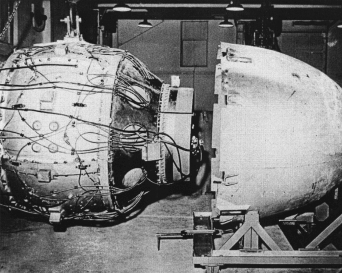
The wired physics package of the implosion weapon before installation in its outer casing.
Primary Sources & Research Documents
These reports and studies provide much of the documentary foundation for the
episode, from the wartime history of the Dayton Project through its postwar
cleanup and later radiological investigations.
Manhattan District History — Dayton Project
The Manhattan Engineer District’s official history of the Dayton Project,
covering its organization, personnel, facilities, chemistry, production,
and relationship with Los Alamos.
Authority Review — Former Manhattan Engineer District Sites in Dayton
A 1987 federal review of the former Dayton facilities, including
Units III and IV, their wartime functions, property history, and cleanup.
Unit IV Soil Screening — Runnymede
Ohio EPA’s 1998 investigation of the former Runnymede Playhouse property,
including subsurface polonium-210 measurements.
Unit III Environmental Fact Sheet
A 1998 federal/state summary of radiological sampling at the former
Bonebrake Seminary / Unit III property.
Decontamination and Decommissioning of AEC Facilities
A 1973 Atomic Energy Commission record discussing cleanup standards
and the dismantling of the Dayton Project facilities.
NIOSH SEC-00049 — Monsanto Chemical Company
The federal Special Exposure Cohort evaluation for Dayton Project
workers. Includes extensive discussion of worker monitoring,
polonium bioassay, historical exposure records, and the remarkable
1944 account of the employee identified as “Dr. N.”
Manhattan Project Special Resource Study
National Park Service study examining major surviving Manhattan Project
properties, including the Dayton Project’s Unit III complex and the
Third Street warehouse.
Runnymede Playhouse — Centennial Reflections
Oakwood Historical Society material containing a rare pre-Manhattan
Project interior view of the Runnymede Playhouse and discussion of
the property’s history.
Unit IV Dismantling and Cleanup
Department of Energy historical material containing imagery and records
from the dismantling of Runnymede Playhouse after the Dayton Project.
Unit IV Cleanup — Alternate DOE Record
An additional Department of Energy archival record containing
Runnymede dismantling and Dayton Project historical material.
Mound Facility — Historic American Engineering Record
Federal architectural and engineering documentation of the Mound
Laboratory complex that inherited the Dayton Project’s polonium mission.
Mound Facility — HABS Historical Documentation
Additional Library of Congress documentation covering the history,
architecture, and operations of the Mound facility.
Research trail
Sources & Further Reading
Research trail
Sources & Further Reading
- Manhattan Engineer District. Manhattan District History, Book VIII, Volume 3, Chapter 4: Dayton Project. U.S. Army Corps of Engineers, c. 1946. Internet Archive.
- National Institute for Occupational Safety and Health. SEC Petition Evaluation Report: Monsanto Chemical Company, SEC-00049. Office of Compensation Analysis and Support, 2006. NIOSH.
- U.S. Department of Energy. Authority Review: The Former Atomic Energy Commission and Manhattan Engineer District Sites in Dayton, Ohio. August 31, 1987. DOE Legacy Management.
- Ohio Environmental Protection Agency. PRS 323: Dayton Unit IV Soil Screening Results Interim Report. July 1998. DOE Legacy Management.
- Ohio Environmental Protection Agency. PRS 322: Dayton Unit III Fact Sheet. August 13, 1998. DOE Legacy Management.
- U.S. Atomic Energy Commission. Decontamination and Decommissioning of AEC Facilities. November 9, 1973. DOE Legacy Management.
- National Park Service. Manhattan Project Sites Special Resource Study. National Park Service History Collection.
- Curtis, Mary Lou. Oral History Interview. Atomic Heritage Foundation / National Museum of Nuclear Science & History. Read the interview.
- Mahfouz, George. Oral History Interview. Atomic Heritage Foundation / National Museum of Nuclear Science & History. Read the interview.
- Yalman, Richard. Oral History Interview. Atomic Heritage Foundation / National Museum of Nuclear Science & History. Read the interview.
- Hochwalt, Carroll A. Oral History Interview. Science History Institute, July 12, 1985. Science History Institute.
- Sopka, Katherine R., and Elisabeth M. Sopka. “Top Secret Seminary.” In Trust, Winter 2024. In Trust Center.
- Sopka, Katherine R., and Elisabeth M. Sopka. “The Bonebrake Theological Seminary: Top-Secret Manhattan Project Site.” Physics in Perspective, vol. 12, 2010. DOI.
- Oakwood Historical Society. Centennial Reflections: Runnymede Playhouse. The Oakwood Register, July 1, 2008.
- Library of Congress. Historic American Buildings Survey / Historic American Engineering Record: Mound Facility. Library of Congress.
- Federal Bureau of Investigation. George Abramovich Koval Files. FBI Records: The Vault. Internet Archive mirror.
Listener notes
Join the Conversation
Share a thought, correction, local memory, or a story from the road. Your email address is never published.